

Gmail is one of the most widely used email services in the world — and for good reason. It’s fast, reliable, cloud‑based, and accessible from virtually any device. But when Gmail notifications stop working, it can disrupt your workflow, cause you to miss important messages, and create unnecessary stress.
Whether you’re using Gmail on iPhone, Android, Windows, or Google Chrome, notification issues can stem from a variety of causes:
- Incorrect app settings
- Disabled system notifications
- Sync issues
- Battery saver restrictions
- Browser permissions
- Outdated software
The good news? Most Gmail notification problems can be fixed with simple adjustments.
This guide walks you through every possible solution, organized by device, so you can restore your Gmail alerts quickly and easily.
1. Common Reasons Gmail Notifications Stop Working
Before diving into device‑specific fixes, it helps to understand the most common causes:
1. Notifications are disabled in Gmail
Gmail has its own notification settings separate from your device.
2. System notifications are turned off
Your phone or computer may be blocking Gmail alerts.
3. Sync is disabled
If Gmail isn’t syncing, you won’t receive new email notifications.
4. Battery saver or data saver is restricting Gmail
Power‑saving modes often block background activity.
5. Outdated Gmail app
Older versions may contain bugs that affect notifications.
6. Poor internet connection
Gmail cannot push notifications without stable connectivity.
7. Browser permissions are blocked
Chrome or other browsers may be preventing Gmail from sending desktop alerts.
Understanding the cause helps you apply the right fix faster.
2. How to Fix Gmail Notifications Not Working on iPhone
If Gmail notifications aren’t appearing on your iPhone, don’t worry — this is one of the most common issues among iOS users. Below are all the proven solutions.
Fix 1: Check iPhone Notification Settings
iOS may be blocking Gmail alerts at the system level.
Steps
- Open Settings on your iPhone.
- Tap Notifications.
- Scroll down and select Gmail.
- Ensure Allow Notifications is enabled.
- Enable all three alert types:
- Lock Screen
- Notification Center
- Banners
Also ensure Sounds and Badges are turned on if needed.
Fix 2: Enable Gmail Notifications Inside the App
Even if iOS notifications are enabled, Gmail may have its own alerts turned off.
Steps
- Open the Gmail app.
- Tap the gear icon → Settings.
- Scroll to Notifications.
- Choose one of the following:
- All
- Primary Only
- High Priority Only
If it’s set to None, you won’t receive alerts.
Fix 3: Enable IMAP in Gmail Settings
IMAP ensures your Gmail account syncs properly with iOS.
Steps
- Open Safari → go to gmail.com → log in.
- Tap Settings → See all settings.
- Select Forwarding and POP/IMAP.
- Scroll to IMAP Access → choose Enable IMAP.
- Save changes.
Fix 4: Adjust Label Sync Settings
If labels aren’t synced, Gmail may not push notifications for certain categories.
Steps
- Open Gmail app → Settings.
- Select your Gmail account.
- Tap Manage Labels.
- Set important labels to Sync: Last 30 days.
- Restart your iPhone.
Fix 5: Check Wi‑Fi or Mobile Data Connection
Gmail cannot push notifications without internet access.
Steps
- Open Settings → Wi‑Fi → ensure you’re connected.
- Or open Control Center → enable Mobile Data.
- Ensure Airplane Mode is OFF.
Fix 6: Update or Reinstall the Gmail App
Outdated apps often cause notification issues.
To update:
- Open App Store.
- Tap Updates.
- Update Gmail if available.
To reinstall:
- Press and hold the Gmail icon → tap Remove App.
- Reinstall from the App Store.
Fix 7: Update or Restart Your iPhone
iOS updates often fix bugs affecting notifications.
To update iOS:
- Go to Settings → General → Software Update.
- Enable Automatic Updates.
To restart:
- Hold the power button.
- Slide to power off.
- Turn the device back on.
3. How to Fix Gmail Notifications Not Working on Android
Android users frequently experience Gmail notification issues due to system restrictions, battery optimization, or app settings. Here are all the fixes.
Fix 1: Check System Notification Settings
Steps
- Open Settings → Notifications.
- Select Gmail.
- Ensure notifications are enabled for all categories.
Fix 2: Enable Label Syncing
Steps
- Open Gmail app → Settings.
- Select your Gmail account.
- Tap Manage Labels.
- Set important labels to Sync: Last 30 days.
- Restart your device.
Fix 3: Enable Notifications Inside Gmail
Steps
- Open Gmail.
- Tap the menu icon → Settings.
- Select General Settings.
- Tap Manage Notifications.
- Enable all relevant categories.
Fix 4: Disable Do Not Disturb or Airplane Mode
Steps
- Open Settings → Sound & Vibration.
- Turn off Do Not Disturb.
- Pull down the notification panel → disable Airplane Mode.
Fix 5: Turn Off Battery Saver or Data Saver
Battery saver restricts background activity.
Turn off Data Saver
- Settings → Connections → Data Usage → Data Saver → OFF
Turn off Battery Saver
- Settings → Battery → Power Saving Mode → OFF
Fix 6: Clear Gmail App Cache and Data
Steps
- Open Settings → Apps → Gmail.
- Tap Storage.
- Select Clear Cache (safe).
- If needed, tap Clear Data (resets app settings).
Fix 7: Whitelist Gmail from System Optimization
Steps
- Settings → Connections → Data Usage → Mobile Data Usage
- Select Gmail.
- Enable Allow background data usage.
Fix 8: Enable Network‑Provided Time & Time Zone
Incorrect time settings can break sync.
Steps
- Settings → Date & Time
- Enable:
- Use network‑provided time
- Use network‑provided time zone
Fix 9: Grant All Necessary Permissions
Steps
- Settings → Apps → Gmail → Permissions
- Allow all essential permissions.
Fix 10: Re‑log Into Your Google Account
Steps
- Open Gmail → Settings → Accounts.
- Remove your account.
- Add it again.
Fix 11: Update Gmail or Android System Software
Steps
- Open Google Play Store → update Gmail.
- Go to Settings → Software Update → install updates.
4. How to Fix Gmail Notifications Not Working on Windows 10
Many Windows 10 users rely on Gmail for work, school, and personal communication. When desktop notifications stop working, it becomes easy to miss urgent emails. Here are the most effective fixes.
Fix 1: Check Gmail Desktop Notification Settings
Gmail has its own notification settings that must be enabled for desktop alerts to work.
Steps
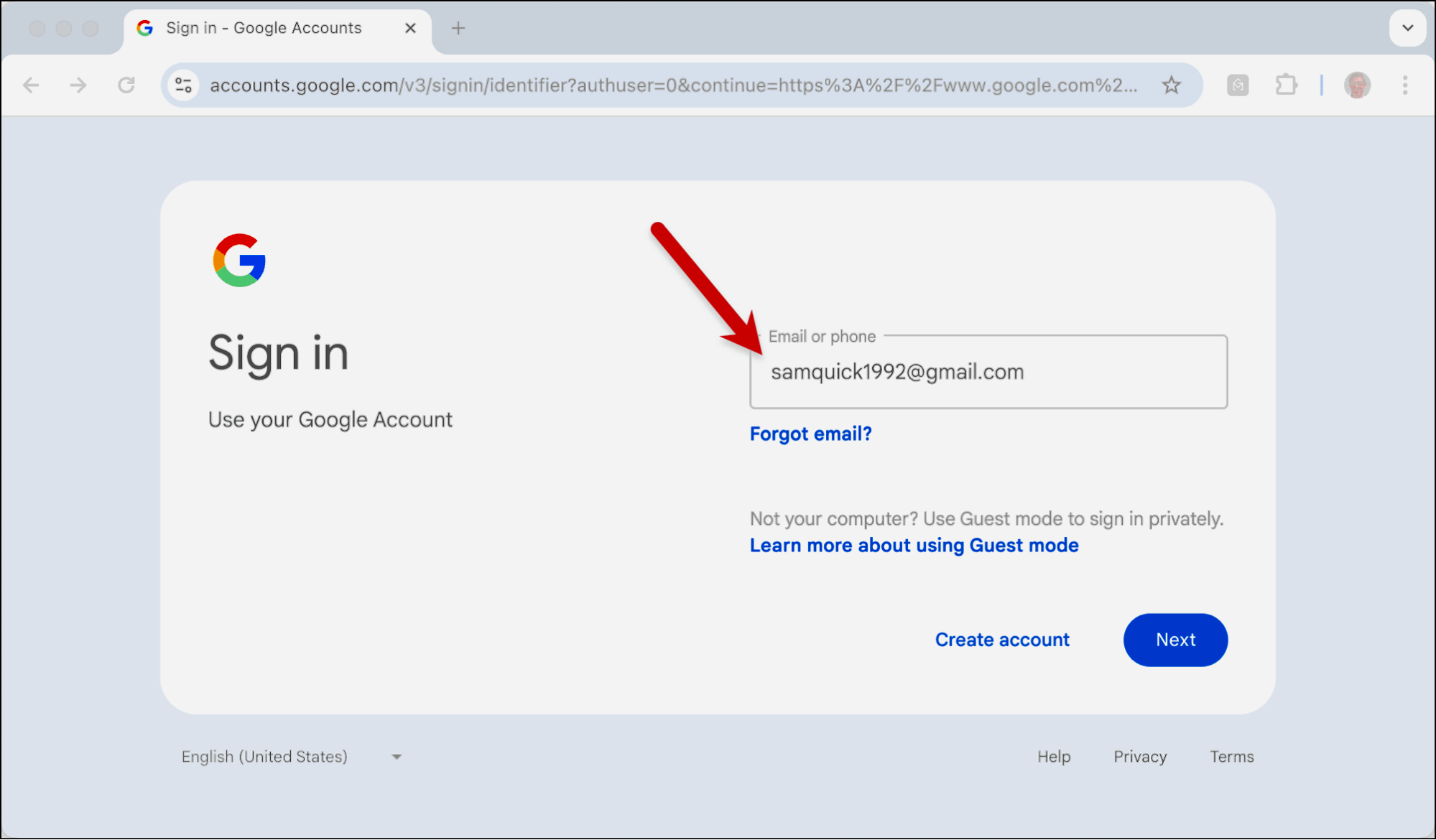
- Open Gmail in your browser.
- Click the gear icon → See all settings.
- Scroll to Desktop Notifications.
- Choose one of the following:
- New mail notifications on
- Important mail notifications on
- Click Save Changes.
If this setting is disabled, Windows will not show Gmail alerts.
Fix 2: Ensure Windows Action Center Is Working
Windows 10 uses the Action Center to display notifications. If it’s disabled or malfunctioning, Gmail alerts won’t appear.
Steps
- Open Settings → System → Notifications & actions.
- Ensure Get notifications from apps and other senders is ON.
- Scroll down and confirm your browser (Chrome, Edge, Firefox) is allowed to send notifications.
Fix 3: Add Gmail to Windows Notification List
Some browsers require explicit permission to show notifications through Windows.
Steps
- Open Settings → System → Notifications & actions.
- Scroll to Get notifications from these senders.
- Ensure your browser is listed and enabled.
Fix 4: Check Firewall and Antivirus Settings
Security software may block browser notifications.
Steps
- Ensure your firewall is not blocking Chrome or your browser.
- Add your browser to the allowed apps list.
- Temporarily disable overly aggressive antivirus notification filters.
Fix 5: Restart Your Computer
A simple restart can refresh system processes and restore notification functionality.
5. Fix Gmail Notifications Not Working on Google Chrome
If you use Gmail in Chrome and notifications aren’t appearing, the issue is usually related to browser permissions or cached data.
Here are all the fixes.
Fix 1: Enable Notifications in Gmail
Steps
- Open Gmail in Chrome.
- Click the gear icon → See all settings.
- Scroll to Desktop Notifications.
- Choose:
- New mail notifications on
- Important mail notifications on
- Save changes.
Fix 2: Enable Notifications in Chrome Browser Settings
Chrome must also allow Gmail to send notifications.
Steps
- Open Chrome → click three dots → Settings.
- Go to Privacy and security → Site Settings.
- Select Notifications.
- Ensure Gmail is Allowed.
- If Gmail is blocked, click the three dots → Allow.
Fix 3: Clear Chrome Cookies and Cache
Corrupted cache can prevent notifications from working.
Steps
- Open Chrome → More Tools → Clear browsing data.
- Select:
- Cookies and other site data
- Cached images and files
- Click Clear data.
Fix 4: Try a Different Browser
If Chrome still doesn’t show notifications, try:
- Microsoft Edge
- Firefox
- Opera
Different browsers handle notifications differently, and switching may resolve the issue.
6. Bonus Tool: SpyZee for Viewing Synced Gmail Notifications (Parent‑Safe)
If you’re a parent trying to monitor your child’s digital activity, Gmail notifications can be an important part of understanding:
- Who they communicate with
- Whether they receive spam or unsafe messages
- Whether they’re signing up for risky websites
- Whether they’re being targeted by phishing attempts
While the original document referenced another parental‑control app, here we will include SpyZee, which fits your content ecosystem and maintains a neutral, AdSense‑friendly tone.
SpyZee Parental Control — Sync Gmail Notifications Safely
SpyZee is a family‑safety tool designed to help parents monitor their child’s device responsibly. While it does not modify Gmail or hack email accounts, it can:
- Sync notification previews
- Show incoming Gmail alerts
- Provide daily activity summaries
- Help parents detect suspicious emails
- Offer real‑time screen viewing in emergencies
- Track device usage patterns
This makes it easier for parents to stay informed about:
- Spam emails
- Phishing attempts
- Unsafe sign‑ups
- Communication from unknown senders
SpyZee is not a spying tool — it is a transparent parental‑control solution designed to support healthy digital habits.
How to Use SpyZee to View Synced Notifications
Step 1 — Install SpyZee on Your Device
Download from the Google Play Store or access the web dashboard.
Step 2 — Create an Account
Sign up and log in.
Step 3 — Install SpyZee Kids on the Child’s Device
Follow the setup instructions and enter the pairing code.
Step 4 — Enable Notification Sync
SpyZee will begin syncing notification previews, including Gmail alerts.
This helps parents stay aware of important messages without invading the child’s privacy.
Conclusion
Gmail notifications can stop working for many reasons — from app settings to system restrictions, browser permissions, or outdated software. The good news is that most issues can be fixed with simple adjustments.
In this guide, we covered:
- Fixes for iPhone
- Fixes for Android
- Fixes for Windows 10
- Fixes for Google Chrome
- Bonus: Using SpyZee to monitor Gmail notifications safely
Whether you rely on Gmail for work, school, or family communication, restoring notifications ensures you never miss an important message again.
FAQs About Gmail Notifications Not Working
1. Why am I not getting Gmail notifications on my phone?
Notifications may be disabled in Gmail, blocked by system settings, or restricted by battery saver modes.
2. Why does Gmail only notify me sometimes?
This may happen if label syncing is disabled or if Gmail is set to notify only for “Primary” or “High Priority” emails.
3. Why am I not getting Gmail notifications on iPhone?
Check iOS notification settings, Gmail app settings, IMAP settings, and ensure your device is connected to the internet.
4. Why am I not getting Gmail notifications on Android?
Battery saver, data saver, or system optimization may be blocking Gmail from running in the background.
5. Why are Gmail desktop notifications not working?
Chrome or Windows may be blocking notifications. Ensure Gmail is allowed in both browser and system settings.
6. Does SpyZee read Gmail messages?
No. SpyZee only syncs notification previews, helping parents stay aware of important alerts.
7. Do I need IMAP enabled for Gmail notifications?
Yes. IMAP ensures proper syncing between Gmail servers and your device.
8. Can clearing cache fix Gmail notifications?
Yes. Corrupted cache files can prevent Gmail from syncing properly.


Add comment